
2026-04-09•3 min read
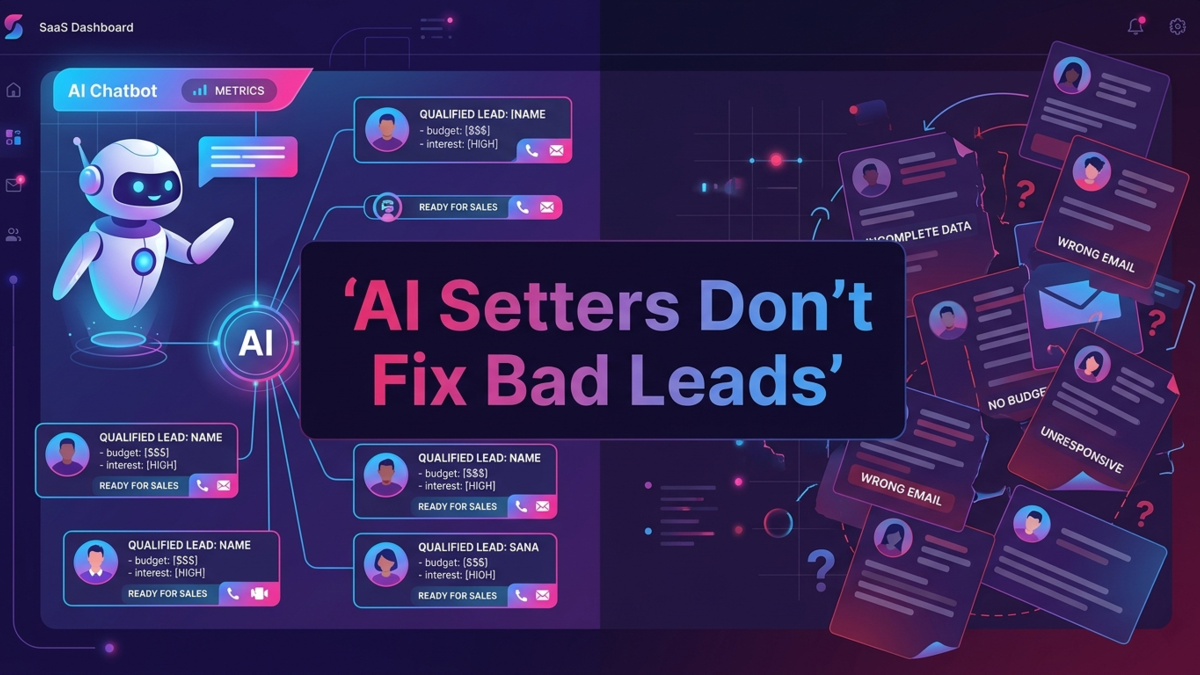
AI Setters Are Qualifying Your Leads — But Here’s Why You’re Still Closing The Wrong Ones
AI setters can filter conversations, but they don’t fix bad leads. If your inputs are weak, your pipeline stays weak — just automated.
Essays and playbooks on LinkedIn lead generation, outbound campaigns, and scaling B2B SaaS.
AI setters can filter conversations, but they don’t fix bad leads. If your inputs are weak, your pipeline stays weak — just automated.
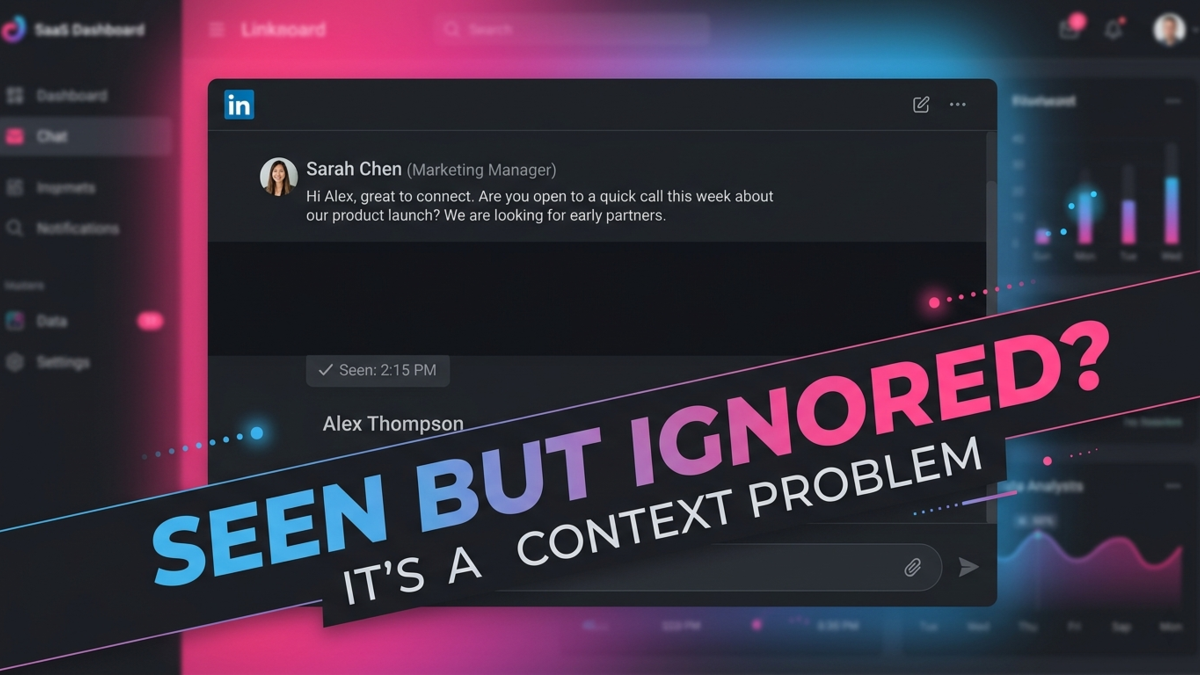
If your LinkedIn messages are being seen but ignored, the problem isn’t your copy — it’s the missing link between context and conversation.
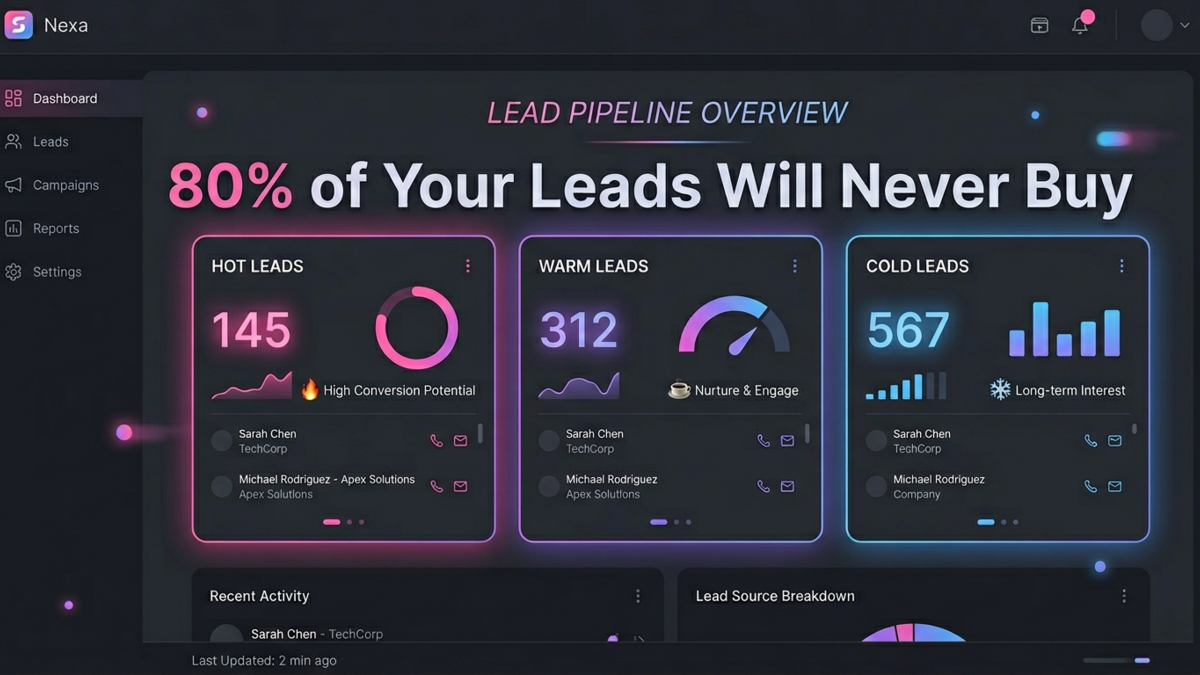
Getting leads isn’t the problem anymore. The real issue? Most of them were never going to convert in the first place.
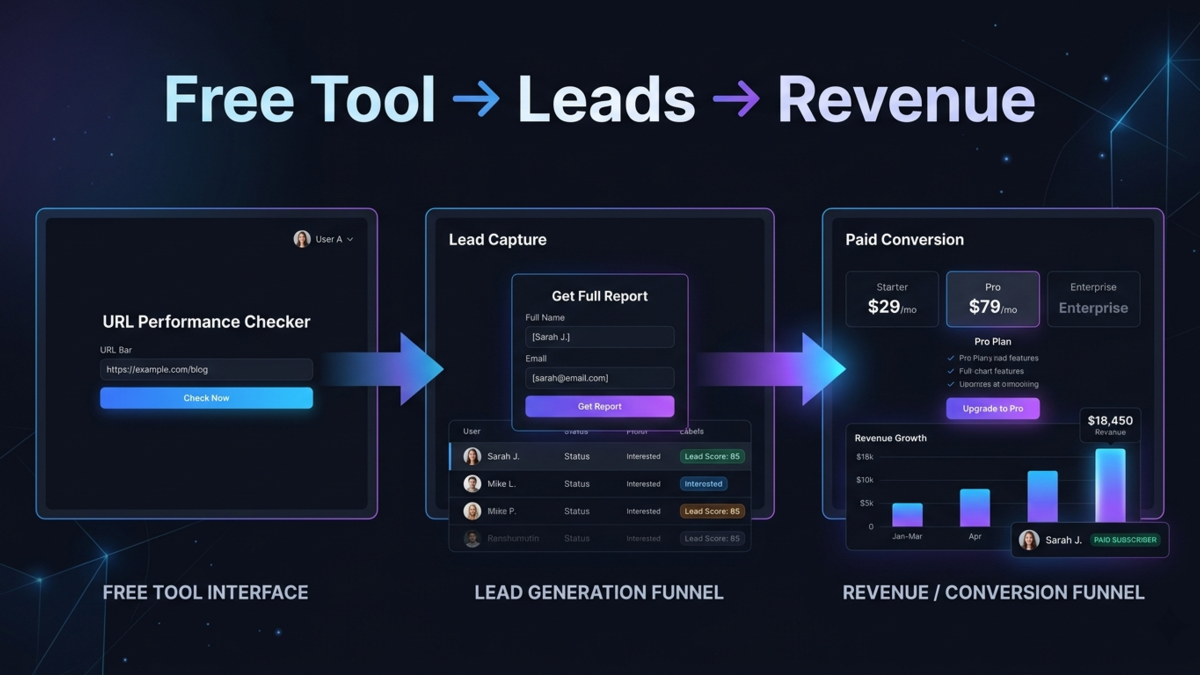
Free tools don’t just bring traffic — they bring intent. Here’s how to turn a simple free tool into a consistent lead generation engine.
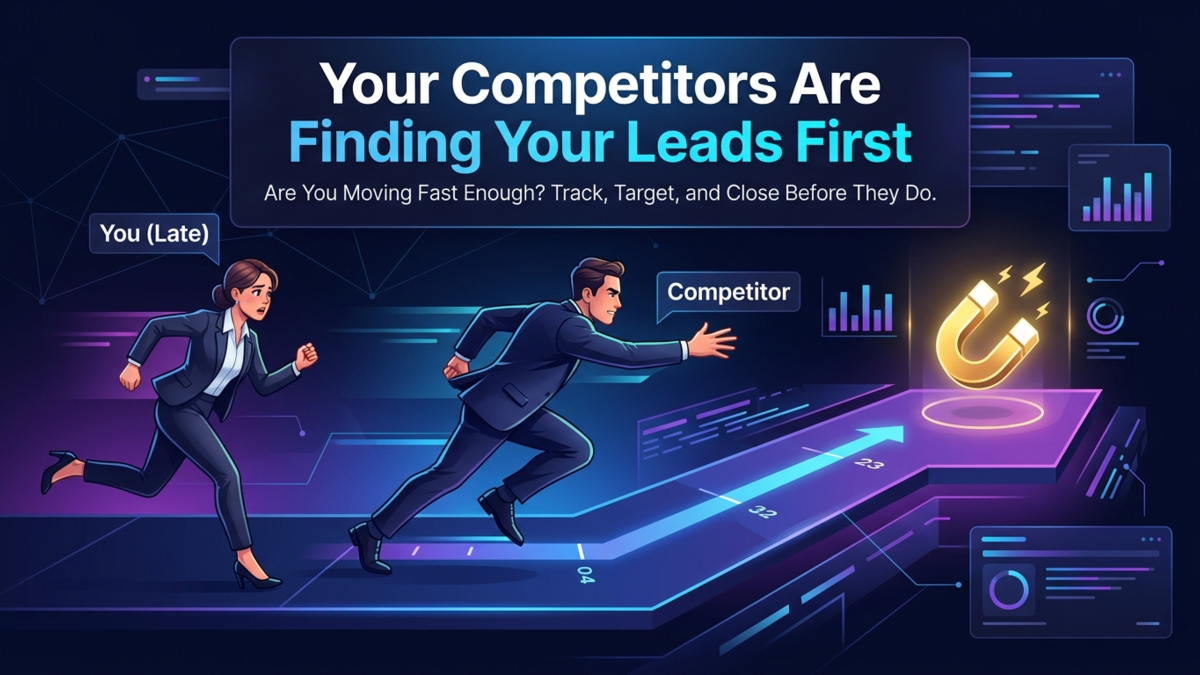
If your competitors keep winning deals you should’ve closed, it’s not luck — it’s because they’re finding high-intent leads before you even know they exist.
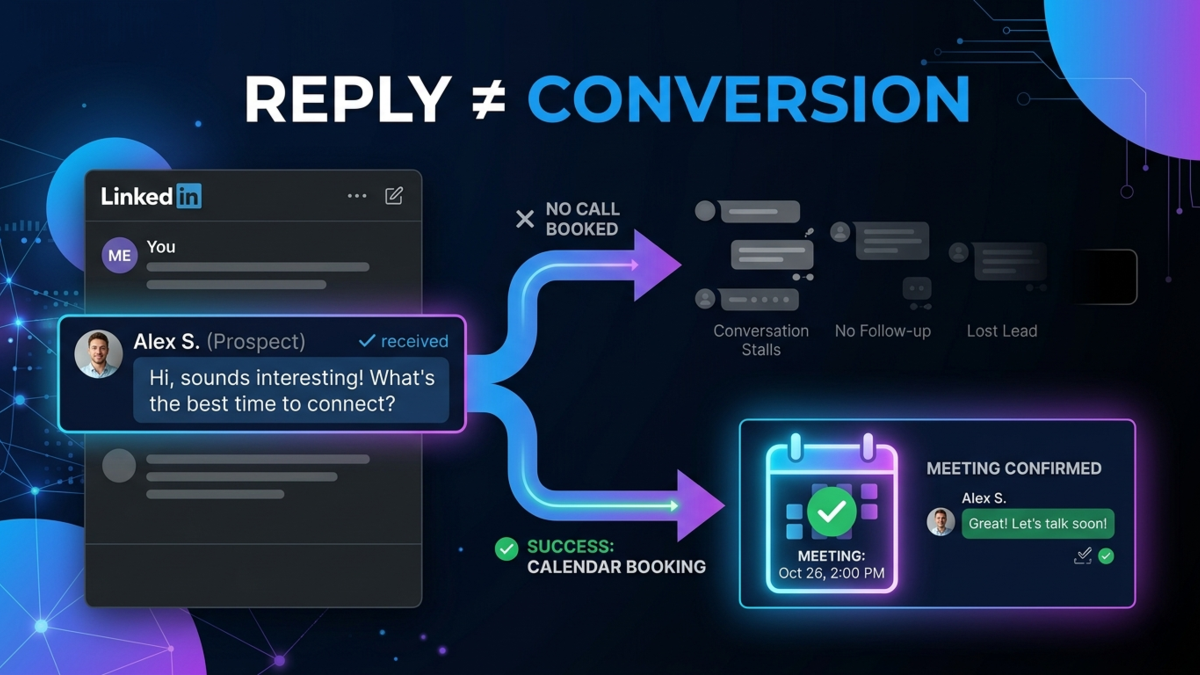
Getting replies on LinkedIn is not the goal getting calls is. If prospects respond but don’t book, you’re losing deals in the final step. Here’s how to fix it.
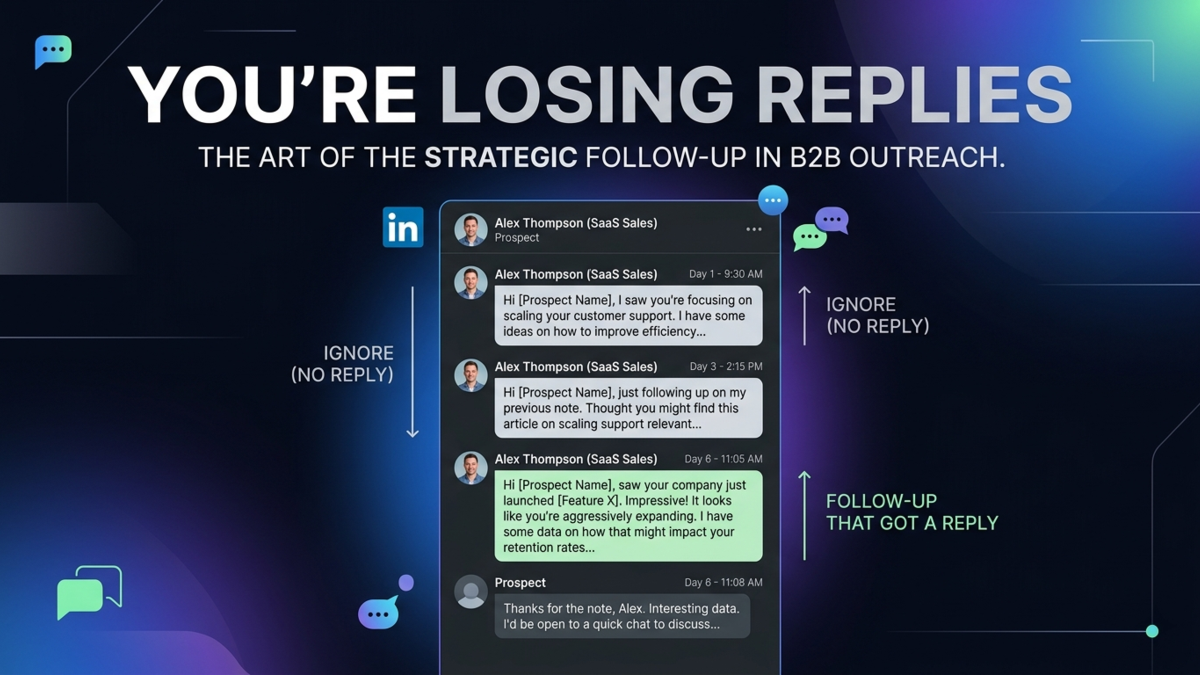
Most LinkedIn deals don’t die after the first message they die because you never follow up. Here’s how to follow up without sounding desperate and recover conversations others lose.
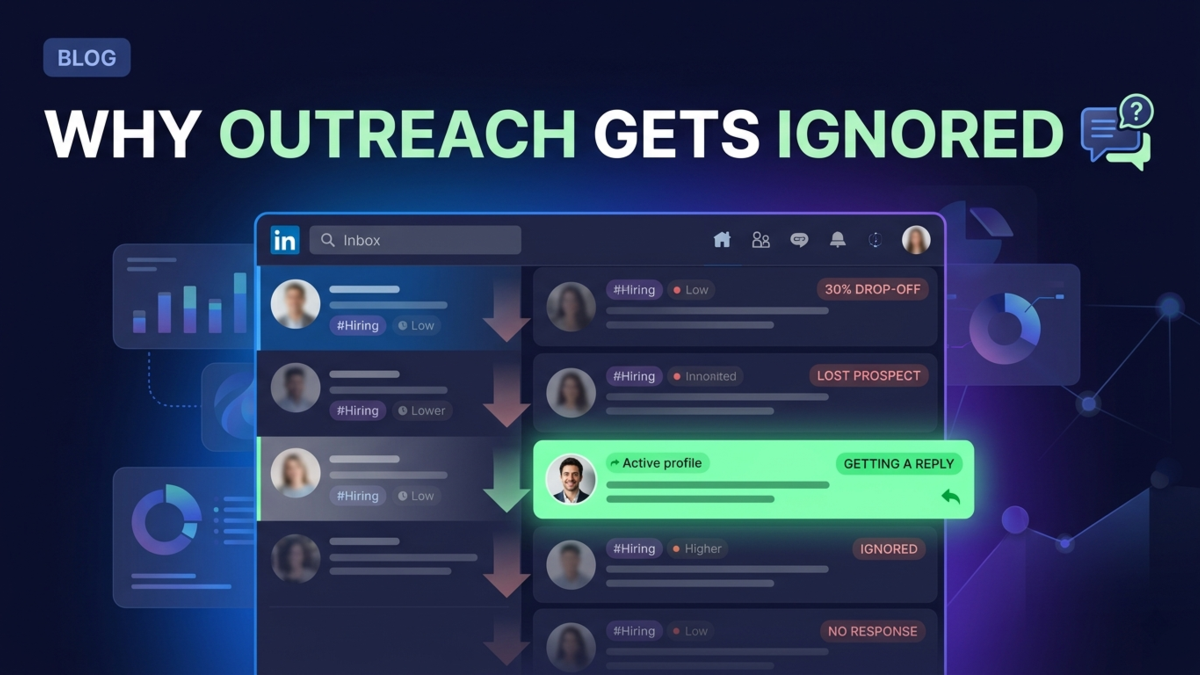
If your LinkedIn outreach feels like it’s getting ignored, you’re not alone. What looks like a “30% bounce rate” is actually a deeper problem with targeting, timing, and messaging. Here’s how to fix it.
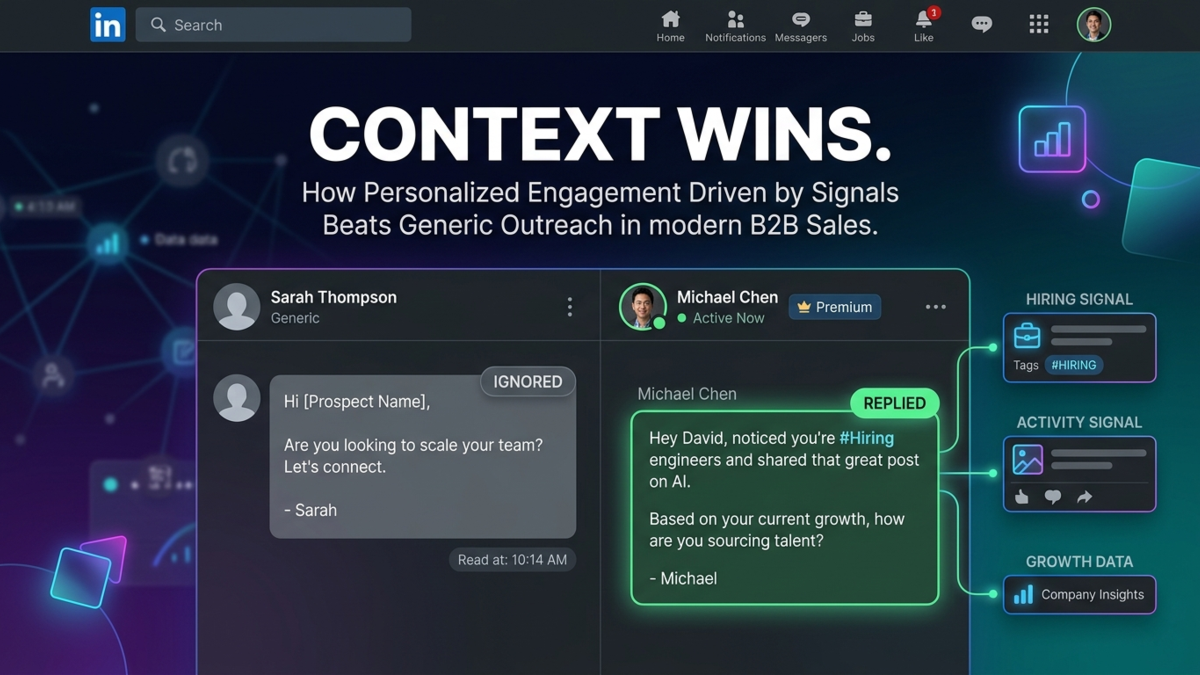
Generic LinkedIn messages fail because they ignore context. This guide shows you how to use real signals like hiring, posts, and activity to write personalized messages that actually get replies.
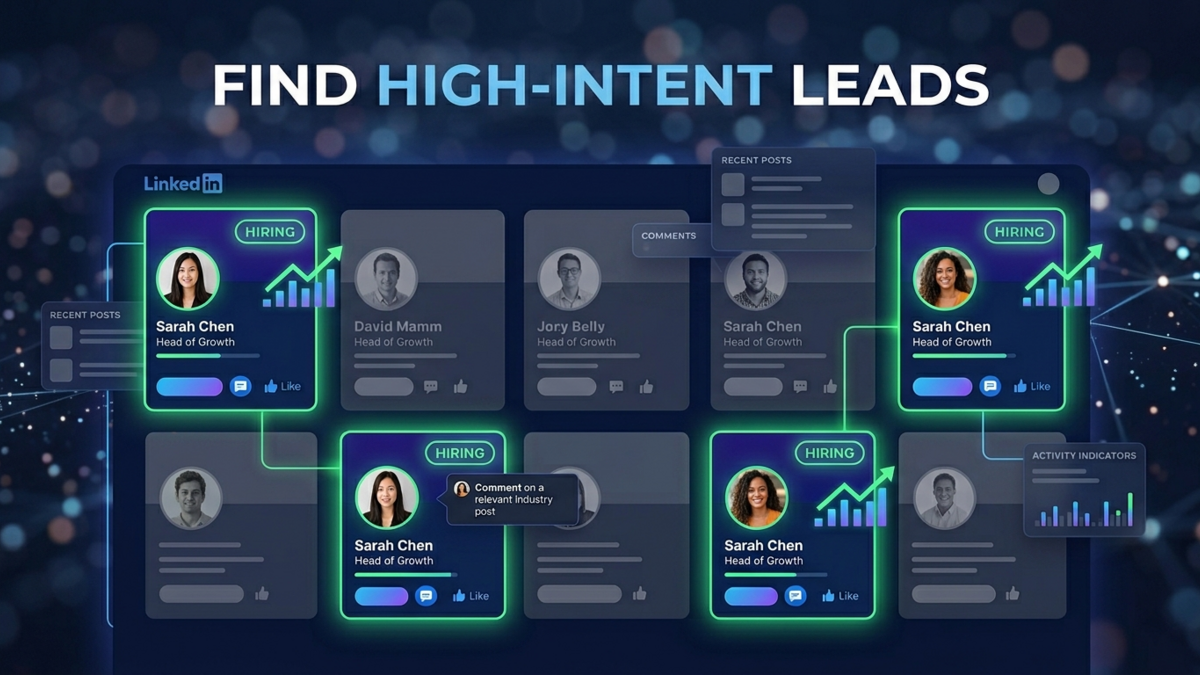
Most people scrape random LinkedIn profiles and hope something converts. This guide shows you how to find high-intent leads using real signals like hiring, posting, and growth activity—so you only reach out to people ready to buy.