
Nexa Blog
AI Setters Are Qualifying Your Leads — But Here’s Why You’re Still Closing The Wrong Ones
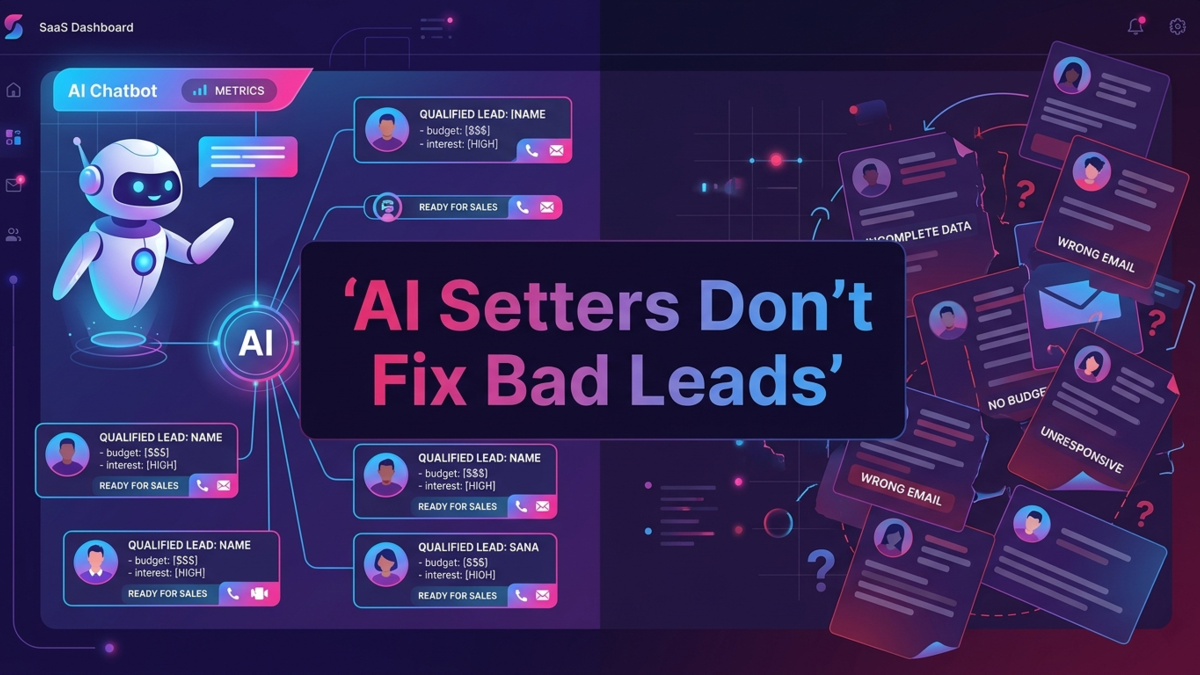
“AI setter qualifies them in the DMs…”
Sounds efficient.
But here’s the problem:
You’re still feeding it bad leads.
And no amount of automation fixes that.
The Illusion of “Automated Qualification”
AI setters feel powerful because they:
- Handle conversations
- Filter obvious low-quality prospects
- Save you time in DMs
But they don’t solve the real issue:
👉 Fix Lead Quality Before Automating Outreach
Why This Strategy Breaks
If your input leads are:
- Random
- Low intent
- Poorly targeted
Then your AI setter is just:
- Sorting noise
- Delaying rejection
- Creating false confidence
You’re not improving your pipeline.
You’re just automating it.
If this sounds familiar, read
👉 You’re Generating Leads Daily — But Here’s Why 80% Of Them Will Never Buy
👉 Stop Feeding Low-Intent Leads Into Your Funnel
Where Real Qualification Happens
Not in the DMs.
Not in the call.
It happens before outreach even starts.
That’s where you decide:
- Who to target
- When to reach out
- Why it’s relevant
If you get this wrong, everything after breaks.
👉 Qualify Leads Before The First Message Is Sent
The Missing Layer: Intent Before Conversation
Most systems look like:
Leads → DM → Qualification → Call
But high-performing systems look like:
Intent → Qualified Leads → DM → Call
That one shift changes:
- Reply rates
- Conversion rates
- Time wasted
If your messages are being ignored, revisit
👉 You’re Getting Seen But Not Replied To — Here’s The Exact Gap Killing Your LinkedIn Outreach
👉 Fix The Input Before Fixing The Conversation
Why AI Setters Still Have Value
To be clear — AI setters aren’t useless.
They’re great for:
- Handling volume
- Pre-qualifying responses
- Saving time
But only when:
👉 The leads already have intent
Otherwise, you’re scaling the wrong thing.
👉 Use AI Setters On High-Intent Leads Only
Example (This Is The Difference)
System A:
- Scraped leads
- AI setter in DMs
- Low conversions
System B:
- Signal-based leads (hiring, engagement, competitor activity)
- AI setter supports conversations
- High conversions
Same tool.
Different input.
Completely different outcome.
If you’re still doing random outreach, you’re making
👉 7 LinkedIn Lead Generation Mistakes That Are Killing Your Results
Where Most Founders Get This Wrong
They try to:
- Automate faster
- Scale quicker
- Add more tools
Without fixing:
- Lead quality
- Timing
- Context
That’s why results don’t improve.
Only activity does.
👉 Fix The Foundation Before Scaling Outreach
How Nexa Approaches This Differently
Nexa focuses on the layer most tools ignore:
👉 Pre-conversation qualification
It helps you:
- Find leads based on intent signals
- Use competitor-based discovery
- Score leads (Hot/Warm/Cold)
So when you reach out (or use AI setters):
- You’re talking to the right people
- At the right time
- With real context
👉 Feed Your Pipeline With High-Intent Leads Using Nexa
Why This Is The Real Edge
Anyone can:
- Scrape leads
- Send messages
- Use AI setters
Very few can:
- Identify intent early
- Filter before outreach
- Prioritize high-value prospects
That’s where deals are won.
Related articles
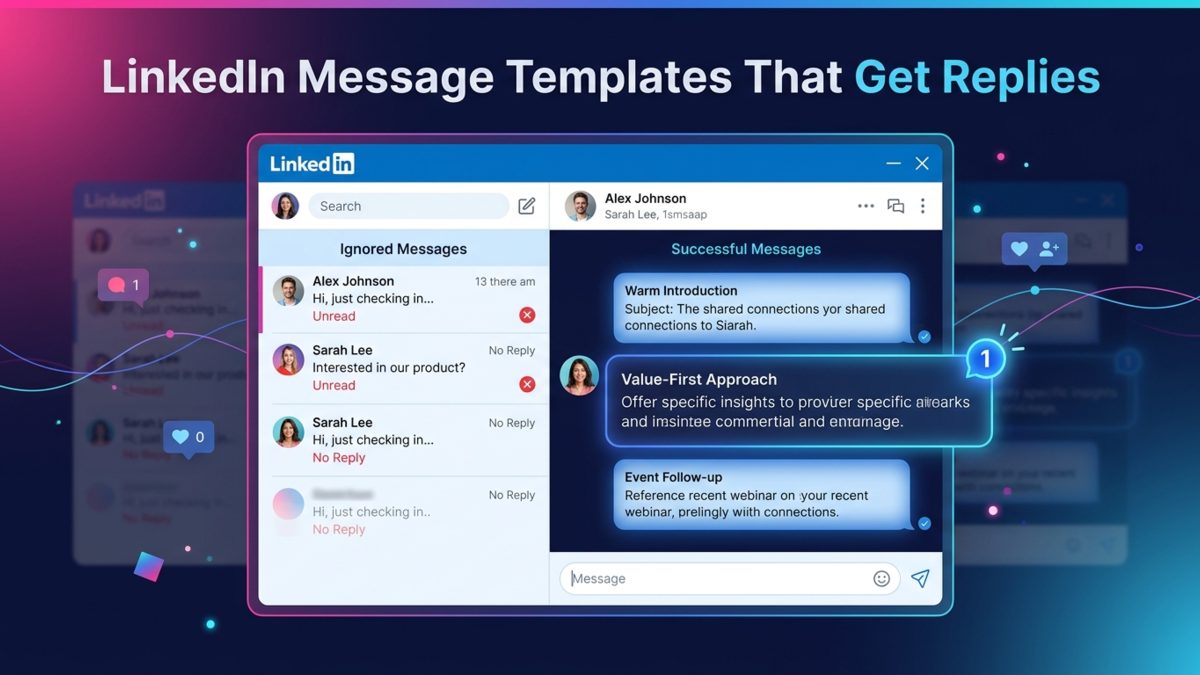
LinkedIn Cold Message Templates That Actually Get Replies (With Real Examples)
Struggling with LinkedIn outreach? These proven cold message templates help you start conversations and get replies without sounding spammy.
Read more →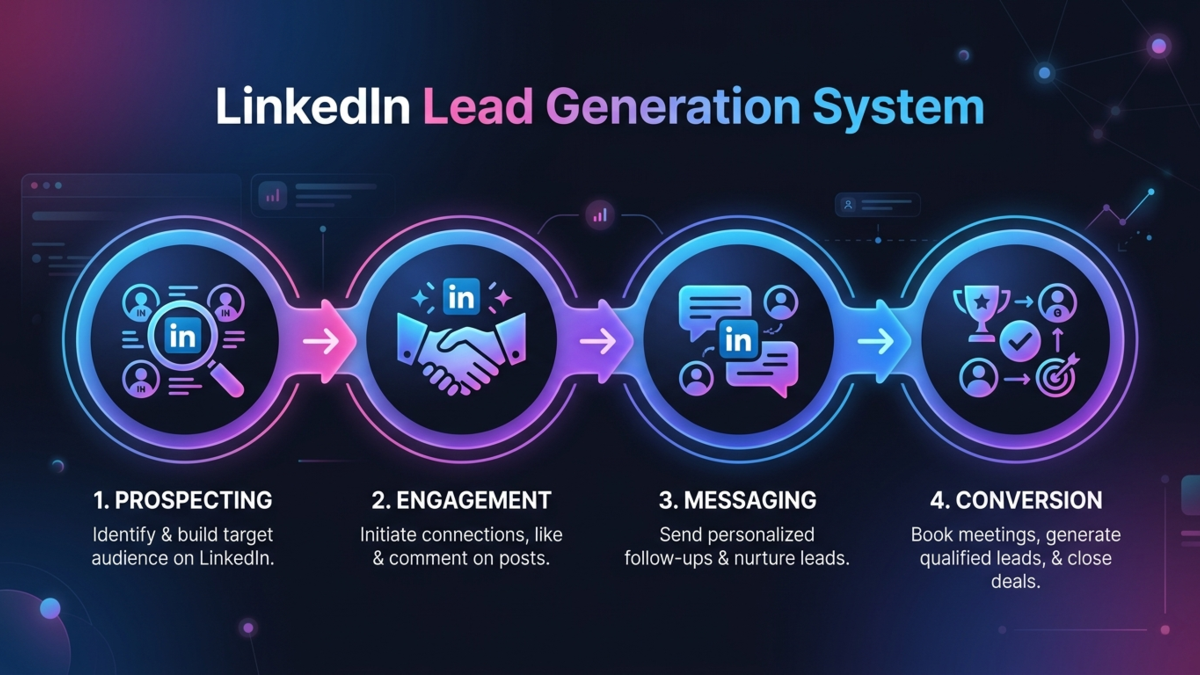
My Simple LinkedIn Lead Generation System for SaaS (From 0 to Consistent Leads)
A simple, repeatable LinkedIn lead generation system for SaaS founders covering prospecting, outreach, and conversion without ads or expensive tools.
Read more →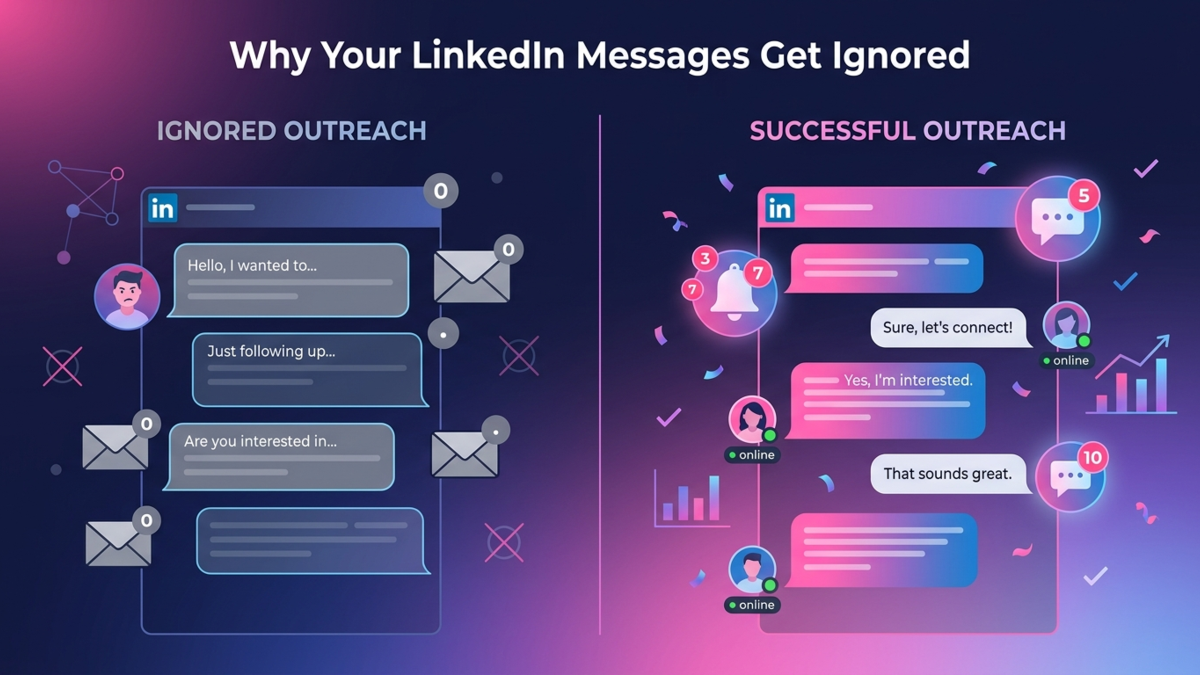
Why You’re Getting Ignored on LinkedIn (And How to Fix Your Outreach Fast)
If your LinkedIn messages are getting ignored, it’s not bad luck. Here’s exactly why it’s happening and how to fix your outreach to start getting replies.
Read more →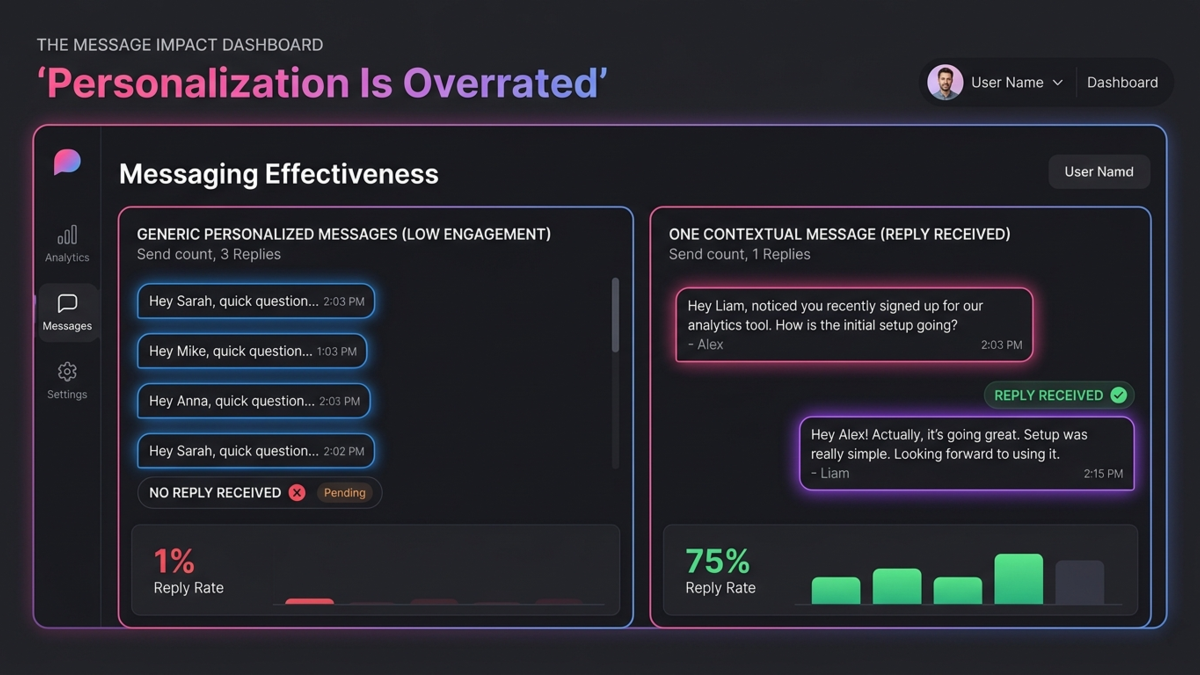
Personalization Is Overrated (Here’s What Actually Gets Replies)
Adding someone’s name and company won’t get you replies. Most personalization is fake—and prospects can tell instantly.
Read more →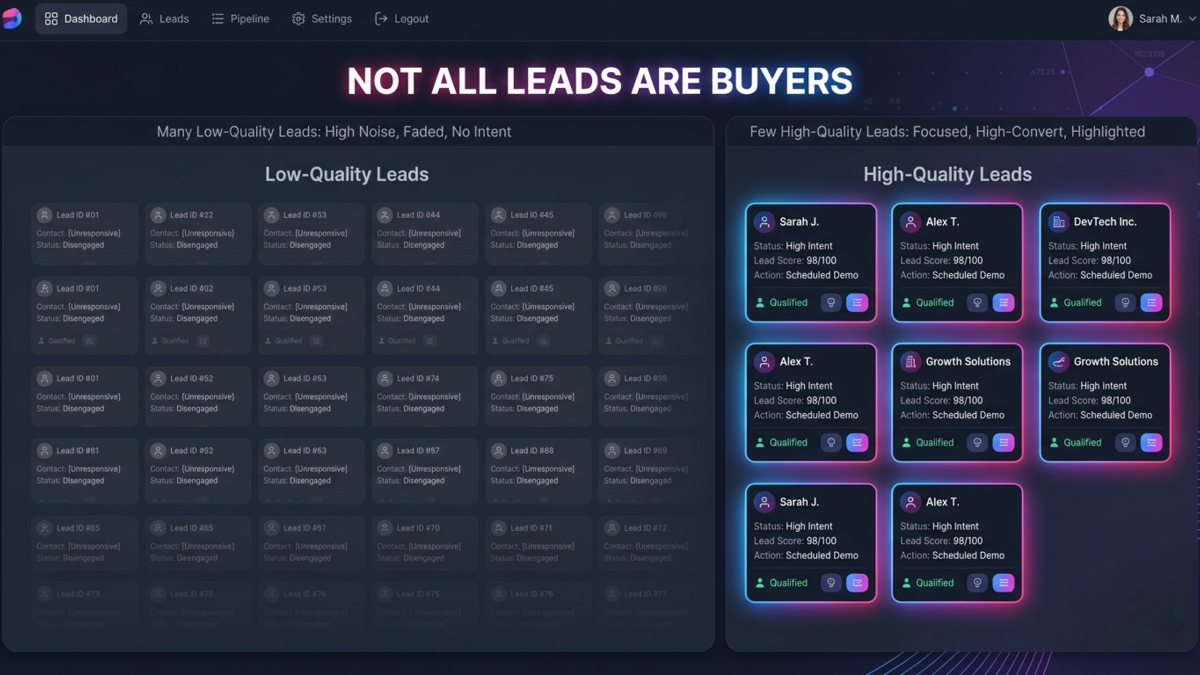
You Don’t Have a Lead Problem, You Have a Fake Lead Problem
If your leads aren’t converting, the problem isn’t closing. It’s that most of them were never real buyers in the first place.
Read more →